




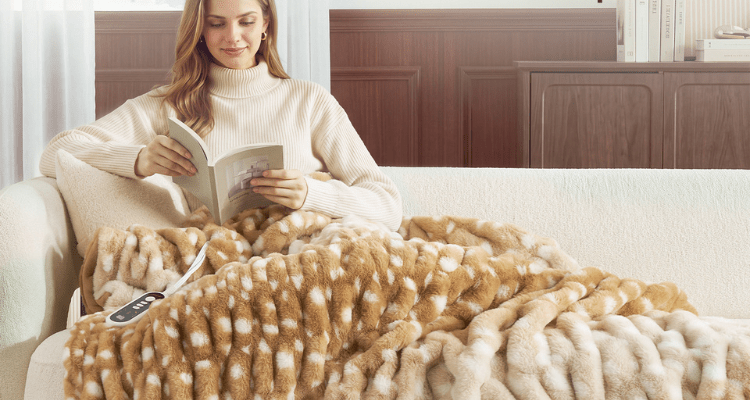
There's nothing quite like wrapping yourself in a warm blanket on a cold evening. Whether you're watching a movie, reading on the couch, or winding down after a long day, a heated blanket can make those everyday moments a little more comfortable.
But buying one isn't just about choosing the softest fabric or the most attractive color. How well does it heat? Can you adjust the temperature easily? Is it safe to use, and what happens if you forget to turn it off? These are the questions worth asking before making a purchase.
A good heated blanket should provide comfortable warmth without being complicated to use or difficult to maintain. Here's what to look for, from heating performance and safety features to cleaning, electricity costs, and long-term care.
How Warm Should a Heated Blanket Be?

The main reason to buy a heated blanket is simple: you want to feel warmer. Unlike a regular blanket, which helps trap your body heat, an electric blanket uses built-in heating elements to generate warmth.
However, not every heated blanket warms up at the same speed or distributes heat in the same way. Performance depends on the heating system, temperature setting, blanket construction, and even the temperature of the room.
When comparing products, pay attention to how the manufacturer describes the heating area and temperature control. A blanket with more power isn't necessarily more comfortable, and claims such as “fast heating” are only useful when supported by clear product information.
Ideally, the blanket should provide gentle, reasonably even warmth across its intended heating area. You shouldn't need to keep it on the highest setting just to feel comfortable, and it shouldn't develop unusually hot spots.
It's also worth remembering that a heated blanket is designed for personal warmth, not for heating an entire room. If you're looking for something to use while relaxing on the couch, a heated throw may be all you need.
Temperature Settings and Safety Features That Matter

Temperature control is one of the most important features to consider. Some people prefer gentle warmth while reading, while others like a higher setting when they first sit down on a cold evening. Being able to adjust the heat makes the blanket more useful as your needs change.
You don't necessarily need a blanket with ten or more temperature settings. What matters is whether the available settings feel comfortable and the controls are easy to understand.
Here are the main features worth checking:
| Feature | Why It Matters |
| Adjustable heat settings | Let you choose a comfortable level of warmth |
| Automatic shut-off timer | Turns off the heating function after a specified period |
| Overheating protection | Helps respond to certain abnormal heating conditions |
| Clear, easy-to-use controller | Makes temperature adjustments simple |
| Independent safety certification | Helps verify that the product has been tested against applicable electrical safety standards |
An automatic shut-off timer is particularly useful if you tend to get distracted while watching television or reading. However, it doesn't mean the blanket can be used in every situation. Always check the manufacturer's instructions, including whether the product is approved for sleeping.
For electrical safety, look for verifiable testing or certification from a recognized organization, such as UL or ETL, where applicable. Be cautious of vague claims like “completely safe” that aren't supported by product information.
Even a well-designed heated blanket needs to be used correctly. Avoid tightly folding or bunching it while heating, placing heavy objects over it, or using it with damaged wiring. If you notice unusual hot spots, a burning smell, or problems with the controller, stop using it immediately.
Heated blankets may not be appropriate for infants, young children, people with reduced heat sensitivity, or anyone unable to operate the controls safely. If you're purchasing one for someone with a medical condition affecting sensation or circulation, check whether electric bedding is suitable for them.
Can You Use a Heated Blanket in Bed?
This is one of the most common points of confusion when shopping for electric blankets.
A heated throw and an electric blanket designed for bed use aren't necessarily interchangeable. Heated throws are often intended for relaxing on a couch or chair, while certain electric blankets and mattress pads are specifically designed for use in bed.
If you plan to use a heated blanket while sleeping, make sure the manufacturer explicitly allows it. Check the recommended placement, operating duration, and any restrictions on overnight use.
Don't assume a blanket is suitable for sleeping simply because it's large enough to cover a mattress or includes an automatic shut-off timer. The intended use matters more than the size.
Everyday Convenience: Controls, Size, and Comfort

A heated blanket should be easy to use without interrupting your routine. Think about the small details that you'll notice every evening, such as whether the controller is easy to reach, the buttons are clearly labeled, and the cord is long enough to connect safely to a suitable outlet.
Size matters, too. A standard heated throw is often enough for one person relaxing on the couch, while a larger option may be more comfortable if you're tall or prefer extra coverage. Rather than relying on descriptions like “oversized,” check the actual dimensions before ordering.
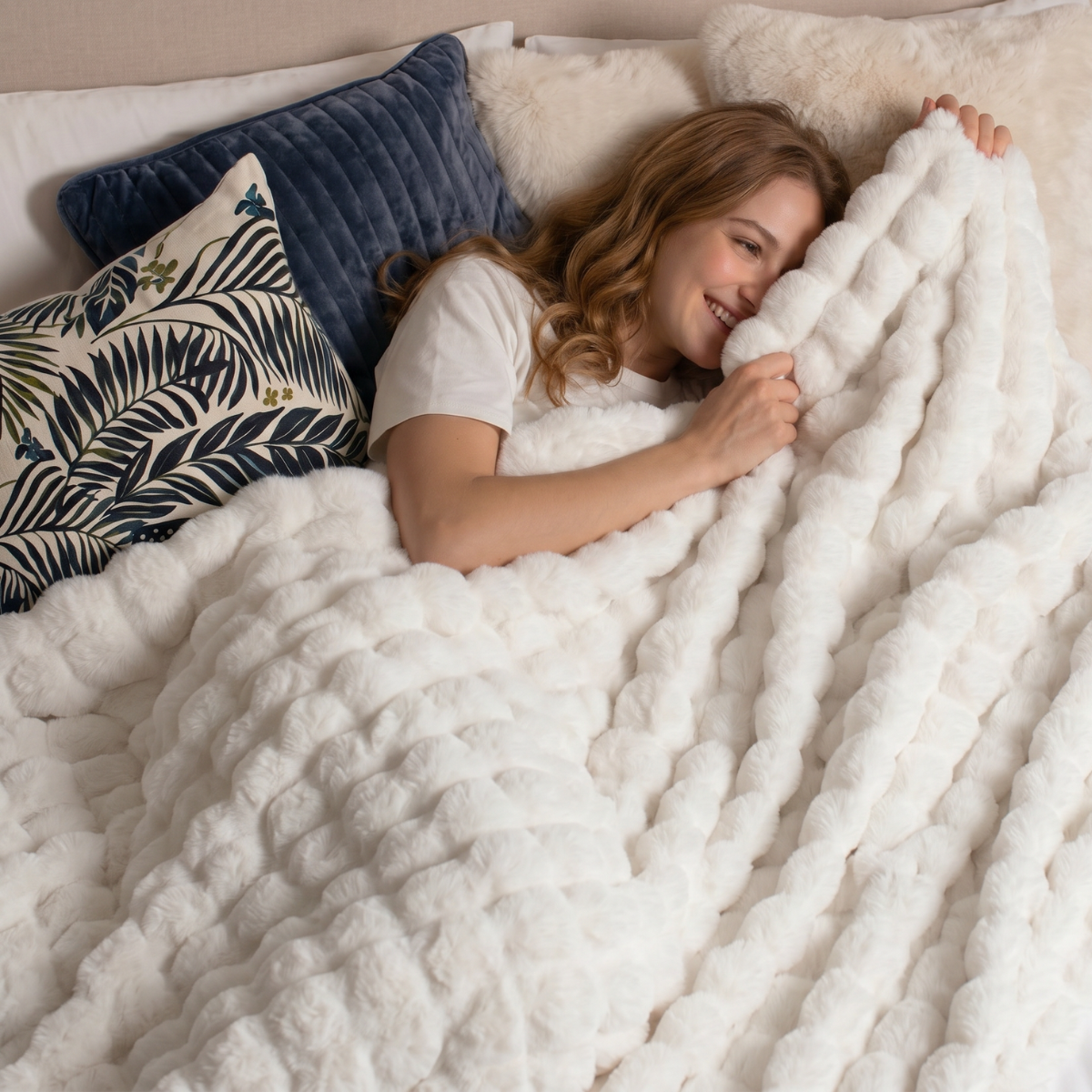
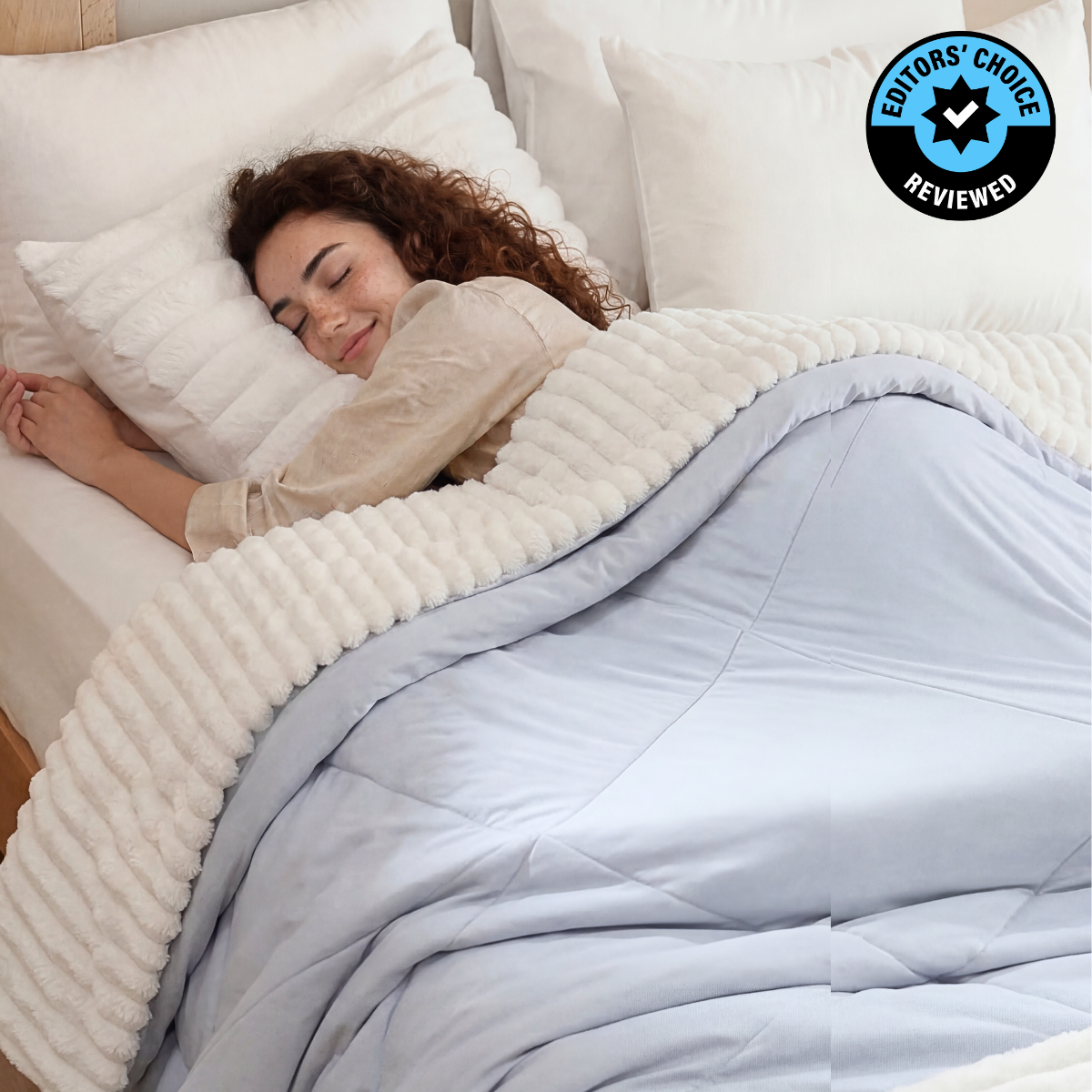
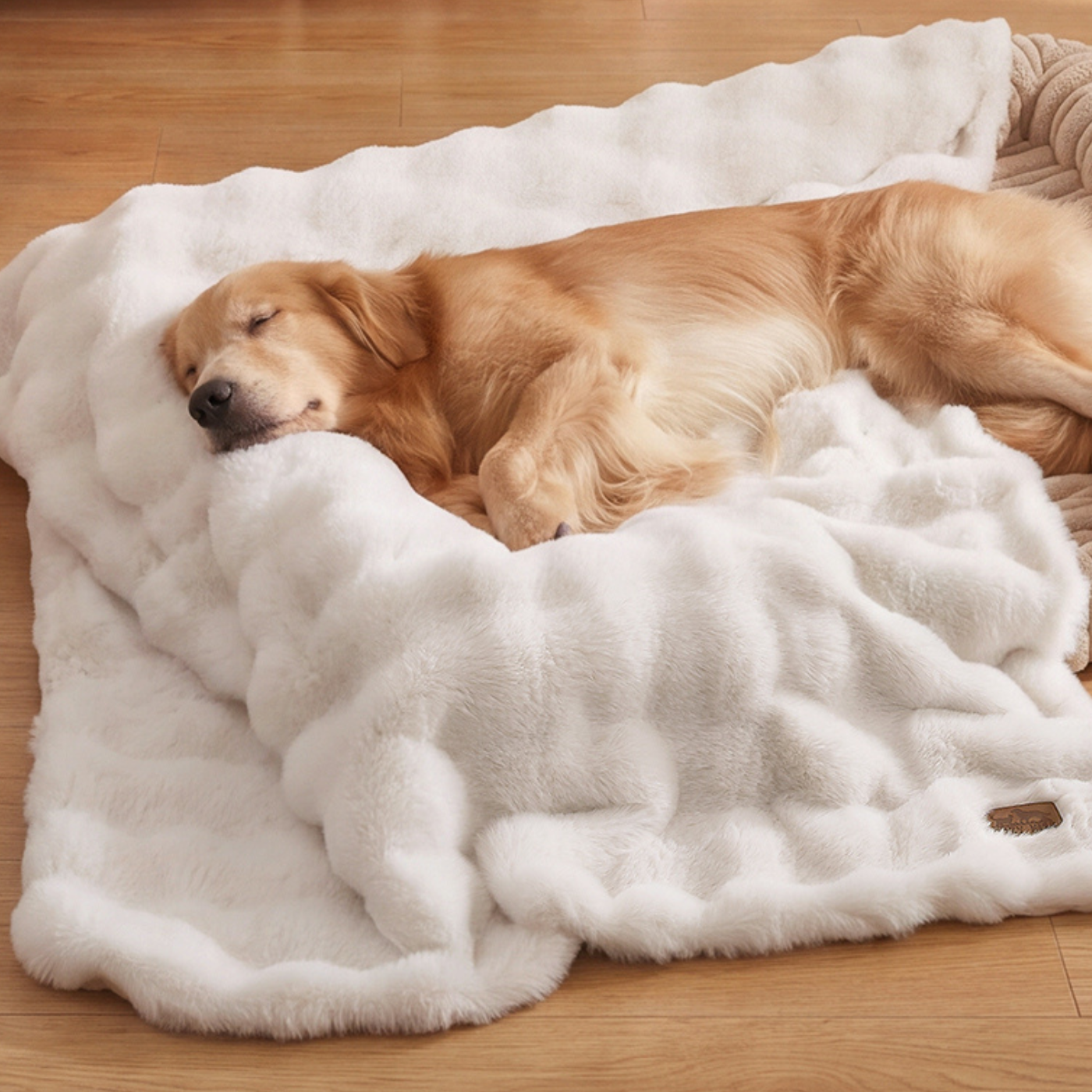
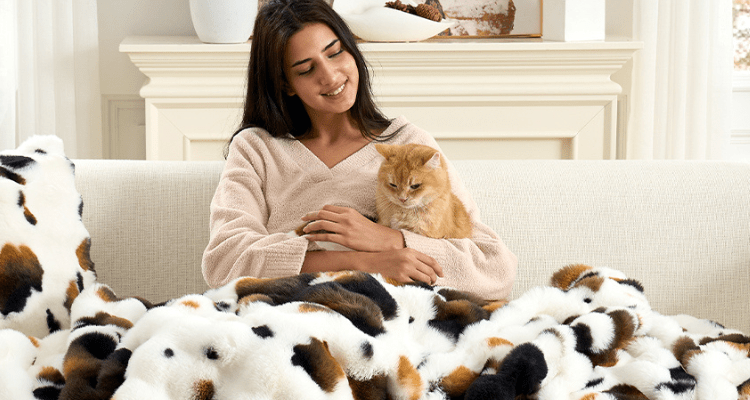
The fabric should also feel comfortable when the heating function is off. Fleece and microfiber are common lightweight options, while plush faux fur offers a softer, more decorative look. For example, Cozy Bliss offers textured faux fur blanket styles, including ruched faux fur designs, with heated options available in the collection.
If you're buying a heated blanket as a winter gift, straightforward controls, practical sizing, and clear care instructions are usually more important than extra features the recipient may never use.
How to Wash and Care for a Heated Blanket
A heated blanket is something you'll likely use regularly during colder months, so cleaning and maintenance deserve some attention.
Many modern heated blankets are machine washable, but the process varies by product. Some allow you to remove the controller and power cord before washing, while others have more specific restrictions. Always follow the care label rather than assuming the blanket can be washed like ordinary bedding.
If machine washing is permitted, use the recommended water temperature, cycle, and drying method. Never immerse electrical components that aren't designed to be washed, and don't reconnect the blanket until it's completely dry.
When the blanket isn't in use, allow it to cool before storing it. Fold or roll it loosely according to the manufacturer's instructions, avoiding tight creases that could place unnecessary stress on the internal heating elements.
Regularly inspect the blanket for frayed cords, exposed wires, damaged fabric, or unusual heating behavior. There's no universal lifespan for electric blankets, so the condition of the product and the manufacturer's replacement guidance matter more than a fixed number of years.
Do Heated Blankets Use a Lot of Electricity?
One practical advantage of a heated blanket is that it warms you directly rather than heating the entire room. This can be useful if you spend most of your evening sitting in one place.
Most heated blankets use considerably less power than typical portable space heaters, although actual consumption varies by model.
For example, a 100-watt heated blanket running at its full rated power for three hours would consume approximately 0.3 kWh of electricity. At an electricity rate of $0.20 per kWh, that works out to about $0.06 for the session.
You can estimate the cost of any heated blanket using this formula:
Power (watts) ÷ 1,000 × hours used × electricity rate per kWh = estimated cost
Actual consumption may be lower if the heating system cycles on and off. Using a heated blanket may also reduce overall heating expenses if it allows you to lower your thermostat, but savings depend on your home's heating system and usage habits.
A Quick Checklist Before You Buy
Once you've found a few options you like, compare them using the features that will actually affect your experience.
| What to Check | What to Look For |
| Heating performance | Comfortable, reasonably even warmth |
| Temperature control | Adjustable settings and simple controls |
| Safety | Automatic shut-off, overheating protection, and verifiable testing |
| Intended use | Clear guidance for couch use, bed use, or sleeping |
| Size and cord length | Enough coverage and convenient access to an outlet |
| Cleaning | Practical washing and drying instructions |
| Warranty | Clear coverage and replacement guidance |
A heated blanket doesn't need to have every possible feature to be a good purchase. If it provides comfortable warmth, is easy to operate, and comes with clear safety and care instructions, you're already covering the essentials.
FAQs
1. How long does a heated blanket take to warm up?
Warm-up time varies depending on the blanket's heating system, power, temperature setting, and surrounding conditions. Some models may begin feeling warm within a few minutes, while others take longer. Check the manufacturer's specifications if heating speed is important to you.
2. Is it safe to leave a heated blanket all night?
Only if the manufacturer specifically approves the product for overnight use. Many heated throws are designed for shorter periods of relaxation. An automatic shut-off timer is useful, but it doesn't replace the manufacturer's safety instructions.
3. Can you wash an electric heated blanket?
Many heated blankets are washable, but cleaning requirements vary. Follow the care label, disconnect removable electrical components as instructed, and make sure the blanket is completely dry before reconnecting it.
4. Are heated blankets expensive to run?
Generally, heated blankets use relatively little electricity compared with whole-room heating appliances. For example, a 100-watt blanket running at full rated power for three hours consumes about 0.3 kWh. Your actual cost depends on wattage, usage time, and local electricity rates.
5. Why is my heated blanket not heating evenly?
Some temperature variation can occur because of the heating element layout and blanket construction. However, unusually hot spots, sections that stop heating, or sudden changes in performance may indicate a fault. Stop using the blanket if you notice abnormal heating and contact the manufacturer.

Dejar un comentario
Este sitio está protegido por hCaptcha y se aplican la Política de privacidad de hCaptcha y los Términos del servicio.