





When choosing new bedding, many shoppers look beyond colors and designs. They want to understand what materials they are bringing into their homes, especially for products that stay in direct contact with their skin every night.
This is why textile certifications such as OEKO-TEX® Standard 100 have become an important consideration when shopping for sheets, duvet covers, pillowcases, and blankets.
But what does OEKO-TEX actually mean? And how should you use this information when choosing bedding for your home?
What Is OEKO-TEX® Standard 100?
OEKO-TEX® Standard 100 is a widely recognized textile certification that focuses on testing finished textile products for certain regulated substances.
Unlike certifications that focus mainly on how raw materials are produced, OEKO-TEX Standard 100 evaluates the final product that consumers use. This means products such as bed sheets, pillowcases, duvet covers, and blankets can be tested according to specific textile safety requirements.
The testing process evaluates substances including certain chemicals, formaldehyde limits, heavy metals, and allergenic dyes.
According to OEKO-TEX®, products are tested based on their intended use, and textiles with closer skin contact are subject to stricter requirements.
Learn more about OEKO-TEX® Standard 100: https://www.oeko-tex.com/en/
It is worth noting that OEKO-TEX does not mean a product is organic or completely sustainable. Instead, it focuses on the safety testing of the finished textile product.
Why Does OEKO-TEX Matter for Bedding?

Bedding is one of the textiles we use most frequently at home. A fitted sheet, pillowcase, or duvet cover can stay close to your skin for several hours every night, making fabric quality an important part of everyday comfort.
When choosing bedding, many people focus on softness, but a comfortable sleep experience also depends on how the fabric performs over time. Breathability, durability, washing performance, and overall feel all contribute to whether a bedding set remains comfortable after repeated use.
For shoppers looking for OEKO-TEX certified bedding or skin-friendly bedding, certification can provide additional information when comparing different products.
However, a certification alone does not determine whether a bedding product is right for you. The best choice also depends on the fabric, construction, and how it fits your personal sleep preferences.
How to Choose Bedding That Fits Your Lifestyle

Finding the right bedding starts with understanding your own needs.
If you tend to feel warm while sleeping, lightweight and breathable sheets may create a more comfortable sleeping environment. Materials with good airflow can help bedding feel fresh throughout the night.
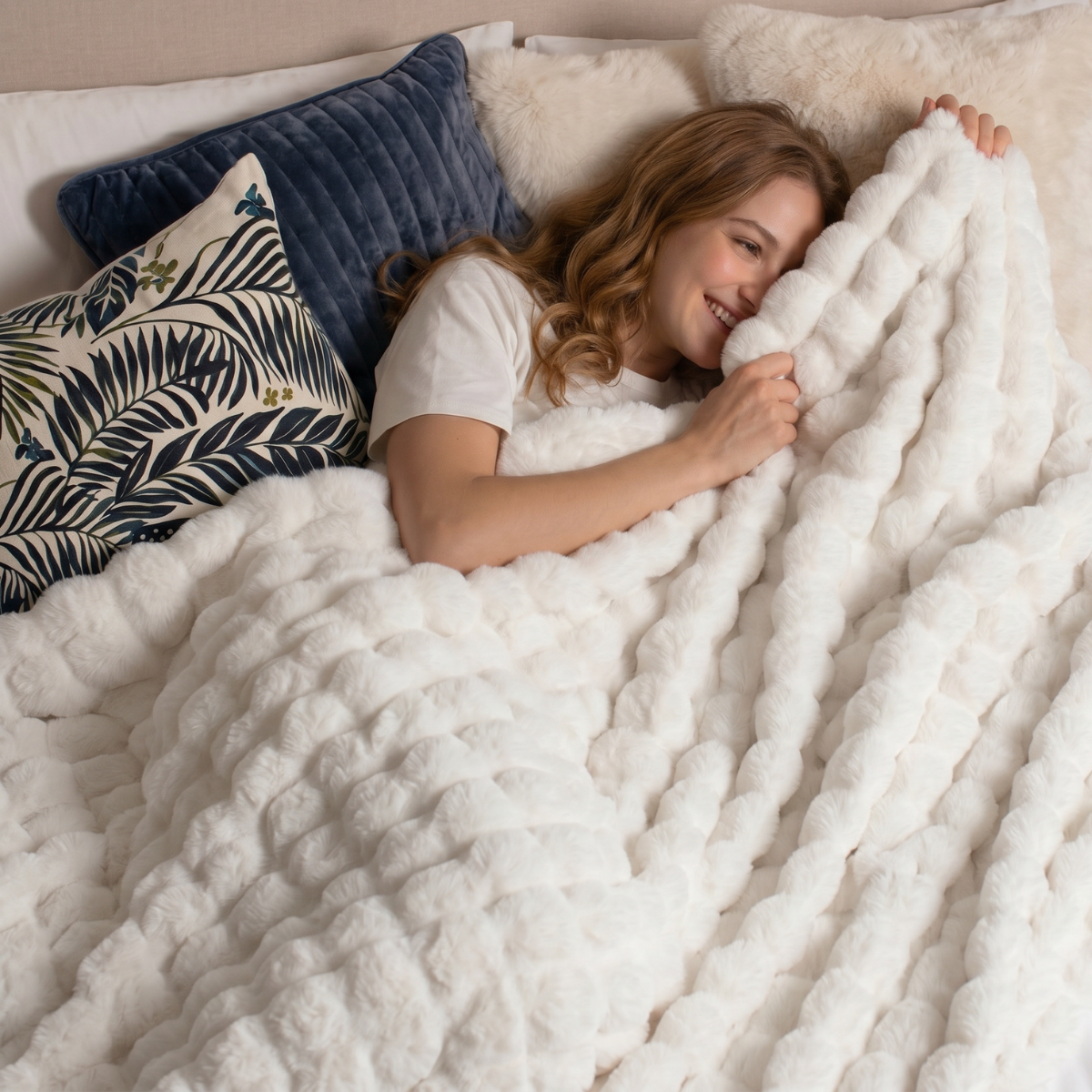
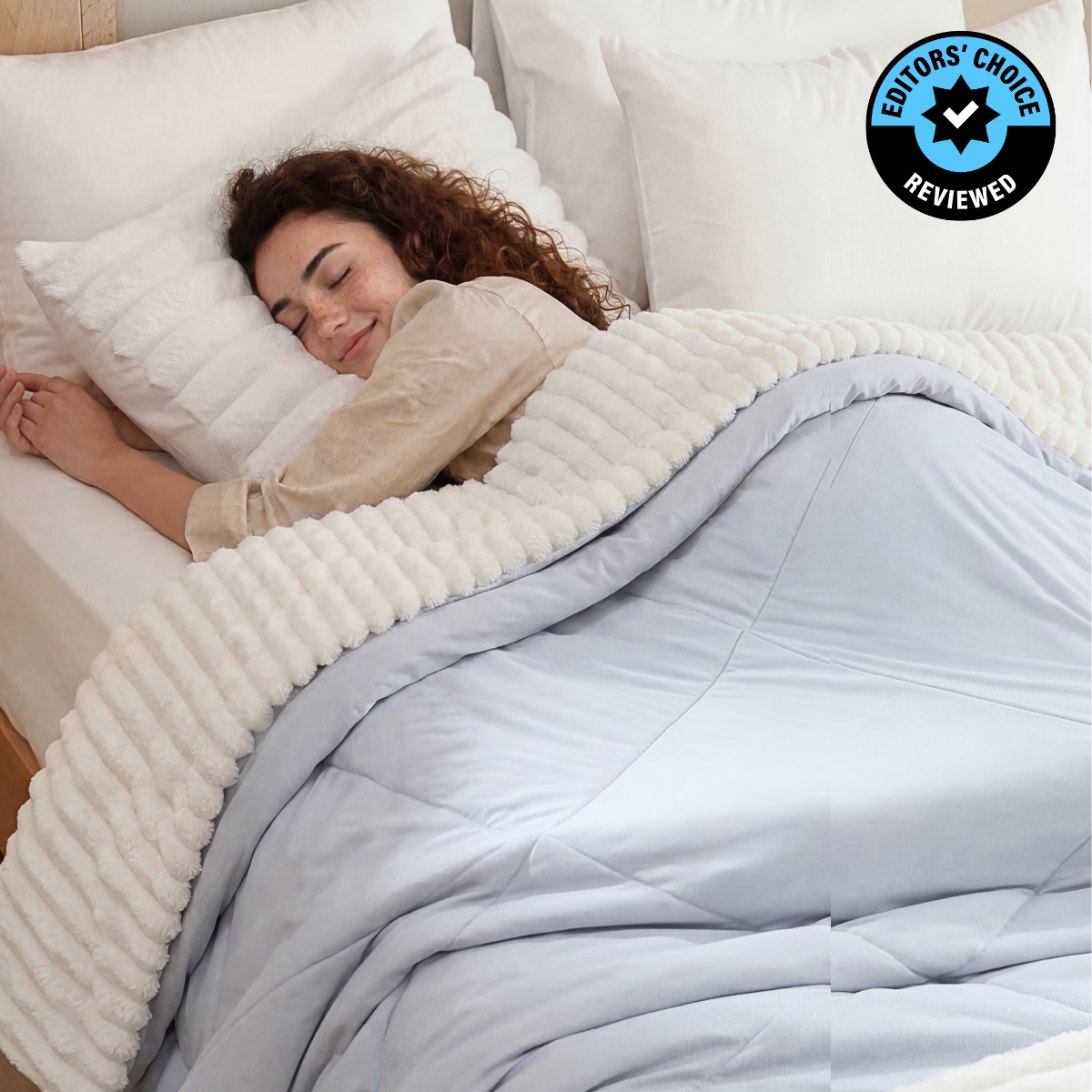
If you prefer a softer and cozier bedroom, layering different textures can make your space feel more inviting. A comfortable duvet cover paired with a warm blanket or decorative throw can add both function and style.
Care requirements are also important. Since bedding needs regular washing, choosing products with practical care instructions can make it easier to maintain softness and quality over time.
Certifications Are Only One Part of Quality Bedding
A good bedding experience comes from many details working together.
A comfortable sheet set provides the foundation of your bed, while a duvet cover helps protect your insert and create the look of your bedroom. Blankets and throws add warmth, texture, and an extra layer of comfort when you need it.
According to the Sleep Foundation, creating a comfortable sleep environment involves factors such as bedroom conditions, comfort, and personal sleep habits.
Learn more about the sleeping environment: https://www.sleepfoundation.org/sleep-hygiene.
When choosing bedding, it is better to look at the complete picture — including materials, comfort, care, design, and certifications — rather than relying on a single label.
Final Thoughts
OEKO-TEX® Standard 100 helps consumers better understand the testing behind textile products and provides useful information when choosing everyday bedding.
However, the best bedding is not defined by one certification alone. A truly comfortable bedroom comes from the combination of quality materials, thoughtful design, and products that fit your lifestyle.
By understanding what certifications mean and considering your own comfort needs, you can create a bedroom that feels more relaxing, comfortable, and personal.
FAQs
What does OEKO-TEX certified bedding mean?
OEKO-TEX certified bedding means the finished textile product has been tested according to OEKO-TEX standards for certain regulated substances. It provides consumers with additional information about textile safety.
Is OEKO-TEX the same as organic certification?
No. OEKO-TEX and organic certifications focus on different areas. OEKO-TEX Standard 100 mainly evaluates finished textile products, while organic certifications focus more on fiber sources and production methods.
Is OEKO-TEX bedding better for sensitive skin?
OEKO-TEX certification can be one factor to consider when choosing skin-friendly bedding. However, comfort also depends on fabric type, texture, and individual preferences.
What products can have OEKO-TEX certification?
Many textile products can receive OEKO-TEX certification, including sheets, pillowcases, duvet covers, blankets, and other home textiles.
Should I choose bedding only based on certifications?
No. Certifications are helpful, but fabric quality, comfort, durability, and care instructions are equally important when choosing bedding.



Dejar un comentario
Este sitio está protegido por hCaptcha y se aplican la Política de privacidad de hCaptcha y los Términos del servicio.